Developing a Structured Strategy for Scoping Long-Term Capital Improvement Programs
The organization lacked a structured approach to scoping capital improvements and required a strategy to manage its assets. Without a formal portfolio analysis aligned with corporate objectives, leadership needed to transition from reactive planning to a risk-informed model for its major treatment plants.
Functional System-Based Criticality Analysis and MentorAPM Capital Investment Planning
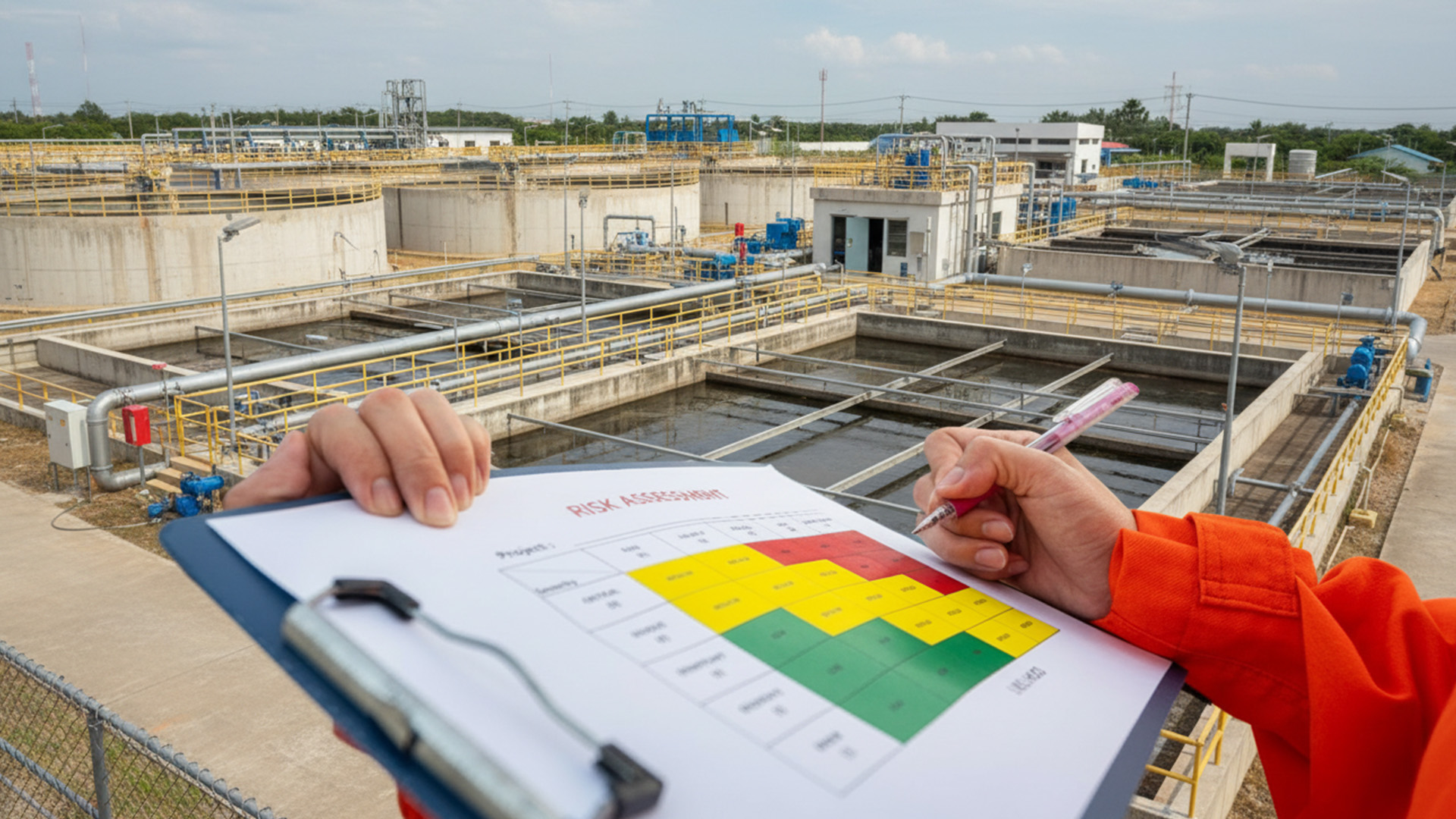
To bridge the gap between institutional knowledge and actionable investment, our team implemented an ISO-55001 compliant criticality analysis. Our team facilitated workshops using MentorAPM’s Criticality Analyzer™ to capture staff expertise regarding failure history and operational risk. This technology allowed our team to setup an asset hierarchy and perform functional system-based risk assessments. By integrating corporate levels of service into the analysis, raw operational data was transformed into a list of required interventions. Our team utilized MentorAPM’s capital investment planner to normalize rankings, calculating the cost per unit of risk reduced. This tech-enabled approach surfaced the highest-value projects by combining risk scores with financial projections, providing the board with a defensible roadmap for both rehabilitation and replacement needs.
Optimized Five-Year Capital Improvement Plan Focused on High-Risk Systems
This partnership produced a risk-ranked 5-year Capital Improvement Plan and comprehensive asset strategies. The board now utilizes data-justified project scoping to ensure financial resources are directed toward the riskiest systems, maximizing the value of every unit of risk reduced.